Independent health research
Health products, researched properly.
Six areas of everyday health, from blood pressure monitors to baby gear. We explain what the evidence supports, what the marketing hides, and what is worth buying — if you decide to buy at all.
No paid placements. No sponsored rankings. No medical claims we cannot support.

Six areas, one standard
Every section is built the same way: published specifications, the warranty and return terms brands actually honour, aggregated owner reports, and independent lab data where it exists. Nothing gets ranked because it pays better.
Home Health Monitoring
Blood pressure monitors, thermometers and pulse oximeters — devices whose claims are FDA-regulated and checkable, not just marketed.
Explore monitoring → 02Fitness & Recovery
Massage guns, rollers, compression and home training gear, held to the advertising claims they make rather than the marketing copy.
Explore recovery → 03Sleep & Wellness
Mattresses, pillows, trackers and the physiology of sleep — the section where the hype is loudest and we are most conservative.
Explore sleep → 04Nutrition & Kitchen
What third-party supplement testing actually checks, plus the kitchen equipment that makes good food easier to keep up.
Explore nutrition → 05Parents & Kids
Safety-first guidance on monitors, feeding gear and the products parents buy in a hurry, led by paediatric guidance rather than pricing.
Explore family → 06Tools & Calculators
Free calculators with no signup. Each one states what it is based on and what it cannot tell you.
Open the tools →Bedtime Calculator
Enter your wake time, get the bedtimes that land on a 90-minute sleep cycle boundary.
Latest guides
Long-form, sourced, and updated when the facts change.
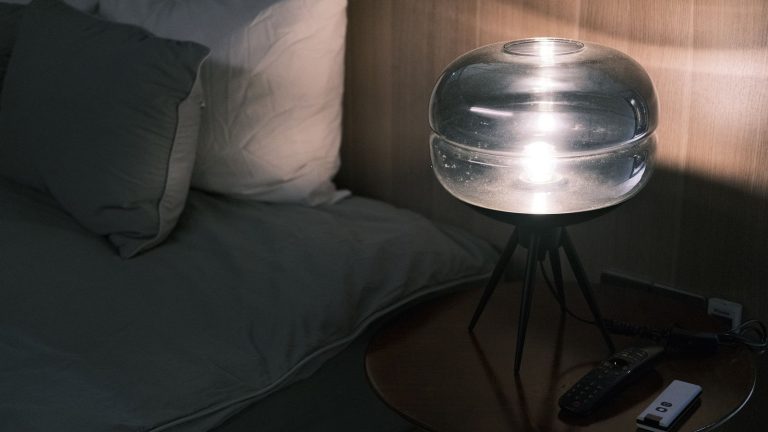
“Best Anti-Snoring Devices in 2026: What the Evidence Actually Supports”
Mouthpieces, nasal dilators, positional devices, and pillows tested against the evidence — plus the snoring red flags that mean stop shopping and see a…
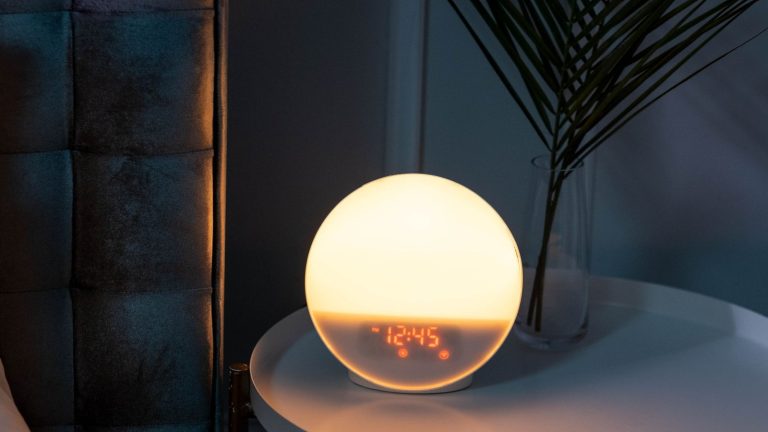
“Sleep Stages Explained: What Your Brain Actually Does in N1, N2, N3, and REM”
A plain-language tour of the four sleep stages — what each one does, why the ratios change across the night, and what a sleep…
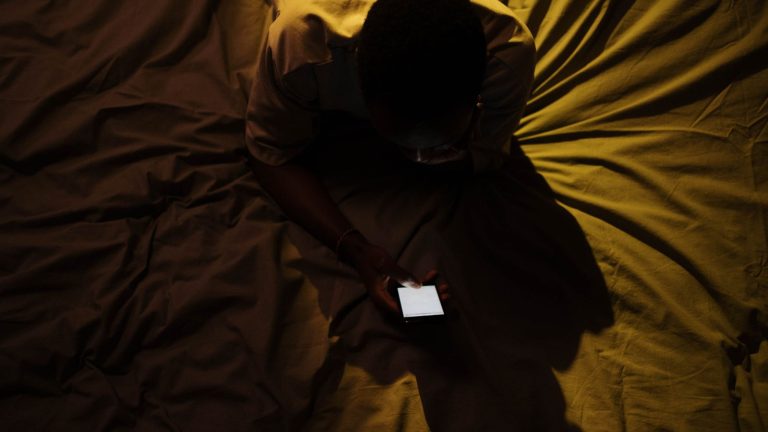
“Blue Light Before Bed: What the Evidence Actually Says”
Screens at night are not the sleep apocalypse the internet claims — but they are not harmless either. Here is where the evidence actually…
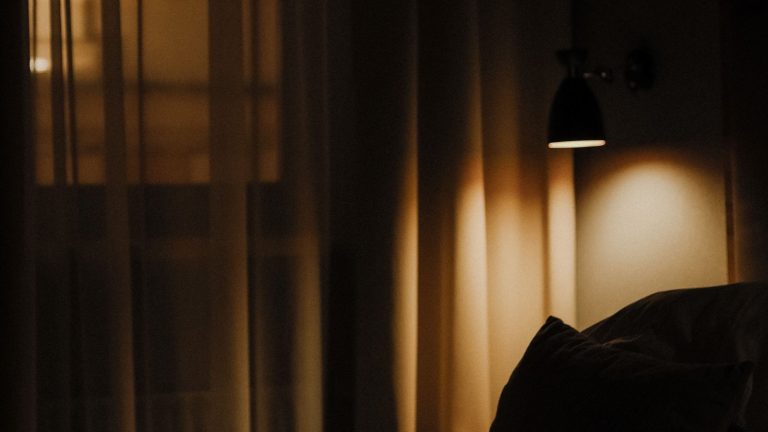
“How to Sleep During the Day: A Shift Worker’s Guide That Actually Works”
A practical system for daytime sleep — light control, sleep window anchoring, caffeine timing, and the red flags that mean it's not just shift…
How to Monitor Your Child’s Phone Without Breaking Trust
"How can I monitor my child's phone" is usually asked as a product question, but it is answered as a parenting one. The tool…
Eyezy Review (2026): What the App Actually Does and Who It Is For
Eyezy is a monitoring-first phone app: it reports a device's messages, calls, location and activity to a web dashboard the buyer logs into, and…
Browse by type
Every area is covered in the same four formats, so you can go straight to the kind of answer you need.
Science, without the sales pitch
The evidence behind sleep — no products, no rankings, no affiliate links. Just what the research actually supports.
“Sleep Stages Explained: What Your Brain Actually Does in N1, N2, N3, and REM”
A plain-language tour of the four sleep stages — what each one does, why the ratios change across the night, and what a sleep…
“Blue Light Before Bed: What the Evidence Actually Says”
Screens at night are not the sleep apocalypse the internet claims — but they are not harmless either. Here is where the evidence actually…
“Alcohol and Sleep: Why It Knocks You Out but Wrecks the Night”
The nightcap paradox explained: alcohol shortens sleep onset, then fragments the second half of the night and suppresses deep sleep. Here is the mechanism…
“Sleep and Memory: How Your Brain Files the Day Away”
Why the eight hours after learning matter as much as the hours before — the evidence on sleep-dependent consolidation, deep sleep, and what naps…

“Why Do We Dream? What Science Actually Knows”
From Freud to activation-synthesis to the current consolidation theories — what the evidence supports about dreaming, why you forget dreams, and what nightmares are…
Bedroom Temperature: The 65 °F Rule, Tested
The 65 °F recommendation is repeated everywhere and rarely explained. It comes from a real mechanism — core temperature has to fall for sleep…
How we work
The short version of our editorial policy.
What a pick is based on
Published construction and material specifications, the warranty and return terms written into the brand’s own policy, aggregated owner reports, and independent lab data where it exists. We do not claim hands-on testing we have not done.
What we will not do
No paid rankings, no commission-weighted ordering, no invented test results, no cure claims. Where a link pays us, it is disclosed at the top of the page — see our affiliate disclosure.
When to stop reading
If a symptom needs a clinician, we say so and link to the red flags instead of a product. Nothing here is medical advice — see the medical disclaimer.